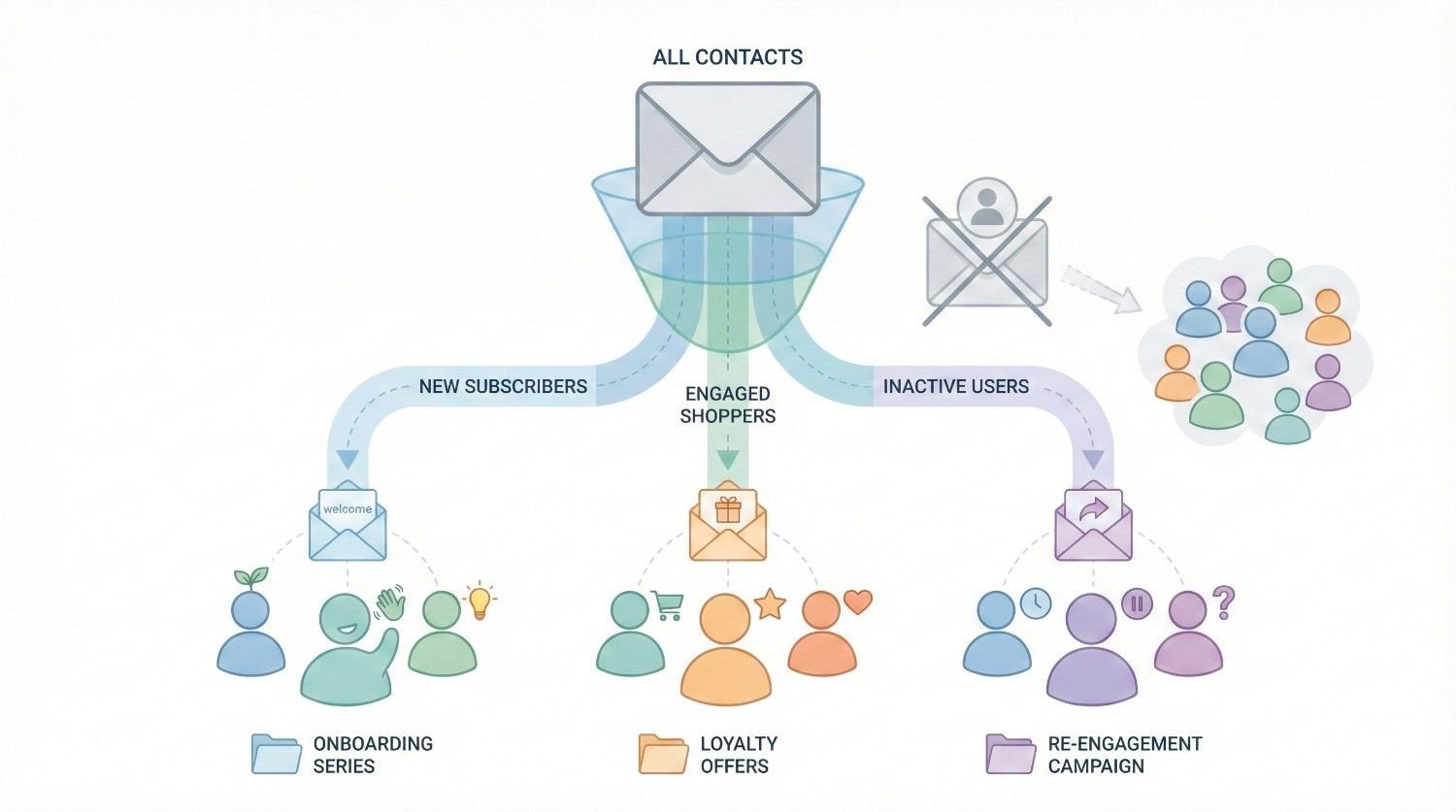
Email marketing is still one of the most effective digital marketing channels.
But what many beginners don’t realise is this:
email success is no longer about sending more emails — it’s about sending the right email to the right people.
This is where a high-demand digital marketing skill comes in:
Email Audience Segmentation.
What Is Email Audience Segmentation?
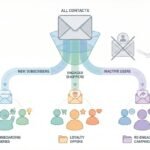
Email audience segmentation means dividing your email subscribers into smaller groups based on certain characteristics.
These could include:
- Interests
- Behavior
- Stage of learning
- Past interactions
- Preferences
Instead of one message for everyone, you create relevant communication for different types of readers.
Why This Skill Is in High Demand
Most businesses already have email lists.
What they struggle with is:
- Low open rates
- Low engagement
- People unsubscribing
- Emails getting ignored
Marketers who understand segmentation help businesses:
- Improve engagement without increasing list size
- Build trust with subscribers
- Reduce email fatigue
- Communicate more clearly
That’s why email audience segmentation is a high-value skill in digital marketing roles.
The Common Beginner Mistake
Most beginners think:
“Sending one email to everyone saves time.”
I thought the same at first. It felt easier to focus on writing one good email instead of understanding the audience. Over time, it became clear that convenience often comes at the cost of relevance.
When emails don’t feel relevant, people stop paying attention.
Segmentation Is About Respecting Attention
Good segmentation is not about manipulation or targeting aggressively.
It’s about:
- Respecting what the reader signed up for
- Avoiding unnecessary emails
- Sharing information that actually helps
When people feel understood, engagement improves naturally.
Simple Examples of Email Segmentation
Even beginners can start with simple groups like:
- New subscribers vs existing subscribers
- Learners vs advanced readers
- People who open emails vs people who don’t
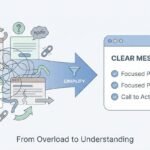
You don’t need complex data to begin — clarity matters more than complexity.
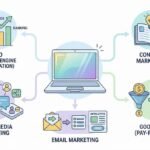
How Email Segmentation Improves Digital Marketing Overall
This skill improves more than just email marketing.
Content Strategy
You understand what different users care about.
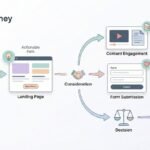
Conversion Thinking
Messages match user intent better.
Brand Trust
Readers feel respected, not spammed.
Long-Term Engagement
Lists grow healthier over time.
This is why segmentation quietly improves many other marketing efforts.
Why This Skill Is Often Ignored
Many tutorials focus on:
- Tools
- Automation
- Templates
- Sending frequency
But segmentation is a thinking skill, not just a technical step.
It requires understanding people, not just platforms — which is why it’s often learned later, through experience.
How Beginners Can Practice This Skill
You don’t need advanced software to start.
Ask simple questions:
- Why did someone subscribe?
- What problem are they trying to solve?
- What would be useful for them right now?
I noticed that once I started thinking about who I was writing for instead of how often I was sending emails, communication became clearer and less stressful.
Why Email Audience Segmentation Will Always Matter
Platforms may change.
Algorithms may evolve.
Trends may come and go.
But people will always expect:
- Relevance
- Clarity
- Respect for their time
That makes email audience segmentation a future-proof digital marketing skill.
Final Thoughts
Email marketing doesn’t fail because people hate emails.
It fails when emails stop feeling useful.
The skill of audience segmentation helps marketers communicate better, not louder. When messages are relevant, emails feel less like marketing and more like helpful updates.
At Skillash, the goal is to highlight digital marketing skills that build strong foundations — skills that quietly improve results without shortcuts.
Segmentation may seem simple, but it makes a meaningful difference.