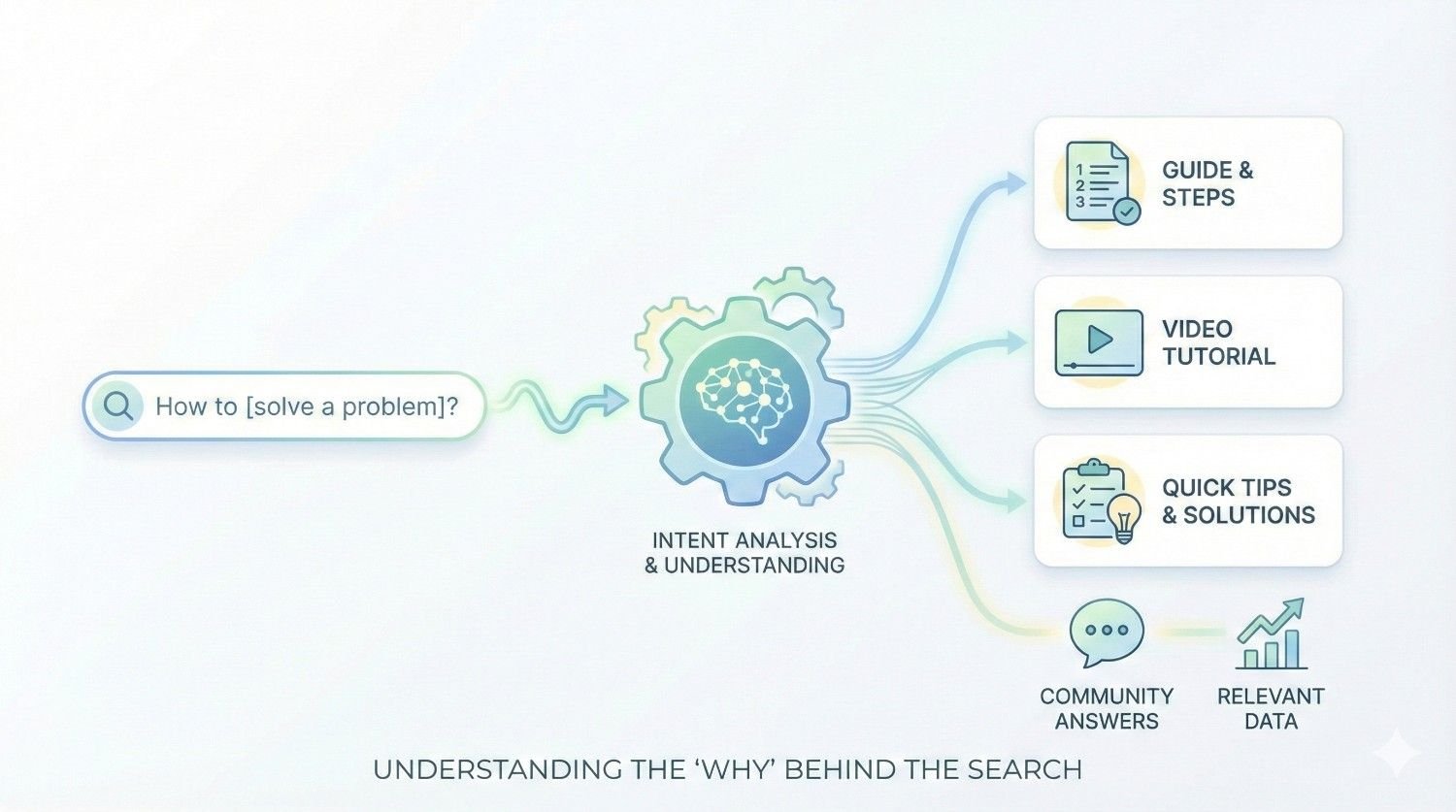
When beginners learn digital marketing, they often focus on keywords.
They look for:
- High search volume
- Low competition
- Trending terms
But many still struggle to get results even after doing keyword research correctly.
The reason is simple:
keywords matter, but search intent matters more.
Understanding search intent is one of the most high-demand digital marketing skills today, especially in SEO and content marketing.
What Is Search Intent?
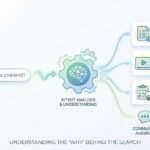
Search intent means understanding what a person actually wants when they type something into Google.
For example:
- Are they trying to learn something?
- Are they comparing options?
- Are they ready to take action?
Two people can search similar words but expect very different outcomes.
When your content matches that expectation, it performs better naturally.
Why Search Intent Is in High Demand
Search engines no longer rank pages just because they contain keywords.
They rank pages that:
- Answer the right question
- Match the user’s mindset
- Feel genuinely helpful
That’s why marketers who understand search intent:
- Create content that ranks more consistently
- Reduce bounce rate
- Improve trust with readers
- Save time rewriting content
This skill is especially valuable because it improves results without chasing trends.
The Common Beginner Mistake
Most beginners think:
“If I use the right keyword, my content will rank.”
When I first started working with SEO content, I focused too much on placing keywords correctly. It took some time to realise that content improved only when I started thinking about what the searcher actually wanted to find.
I used to think the same way. Early on, I focused more on placing keywords correctly than on understanding why someone was searching in the first place. Over time, it became clear that even well-optimized content fails if it doesn’t match the reader’s intention.
Search traffic comes from relevance, not just optimization.
Types of Search Intent (Simple Explanation)
You don’t need complex theory to understand intent.
Here are the common types in simple terms:
- Informational – The user wants to learn
- Navigational – The user wants a specific site or page
- Comparative – The user is comparing options
- Action-based – The user is ready to do something
Each intent needs different content structure and tone.
Why Keyword-Only Content Struggles Today
When content is written only for keywords:
- It feels generic
- Readers leave quickly
- Search engines notice low engagement
But when content is built around intent:
- Readers stay longer
- Content feels more relevant
- Rankings improve naturally over time
This is why intent understanding quietly improves SEO performance.
How This Skill Helps Across Digital Marketing
Search intent understanding is not limited to SEO.
It helps in:
- Content marketing – writing more useful articles
- Google Ads – matching ads with user mindset
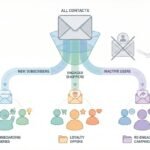
- Email content – sending relevant information
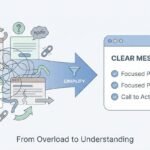
- Landing pages – improving clarity and flow
It is a foundational thinking skill, not just a tactic.
How Beginners Can Practice Search Intent Understanding
You don’t need advanced tools to start.
Before writing content, ask:
- Why would someone search this?
- What answer are they expecting?
- What would confuse them?
I noticed that once I clearly defined the intent before writing, content took fewer edits and felt more focused. That small change made the entire writing process simpler.
Understanding intent saves time in the long run.
Why This Skill Will Always Matter
Algorithms will change.
SEO tactics will evolve.
New platforms will appear.
But people will always search with a purpose.
That makes search intent understanding a future-proof digital marketing skill and one of the most valuable abilities a beginner can develop early.
Final Thoughts
Digital marketing is not about trying to impress search engines.
It is about serving real people with clear intent.
The skill of search intent understanding helps you create content that feels relevant, useful, and trustworthy — which is exactly what both users and search engines value.
At Skillash, the goal is to help beginners build these strong foundations, because once intent becomes clear, everything else becomes easier.